

Best Aquarium Plants for Beginners - 5 Easy-Care Live Plants
Thinking about adding some live plants to your aquarium but not sure where to start?
We’ve put together a list of some of the easy-to-care-for aquarium plants that we stock in store. These varieties are a great starting point for beginners, or for anyone looking to add some greenery to their tank without needing to spend lots of time maintaining it.
Live plants not only make your aquarium look more natural and attractive, but they also provide valuable benefits for your fish. They offer shelter, create hiding places, provide grazing opportunities and help create a healthier aquarium environment.

Here are five beginner-friendly plants that are a great addition to a variety of freshwater aquariums...
1. Anubias
Anubias is one of the best choices for beginners. These hardy plants are well known for their tough, attractive leaves and ability to thrive in a wide range of aquarium conditions. They are particularly suitable for low-tech aquariums and require very little maintenance.
Popular varieties include:
-
Anubias barteri var. barteri
-
Anubias barteri var. nana
-
Anubias Pinto
-
Anubias gracilis
-
Anubias var. Nangi
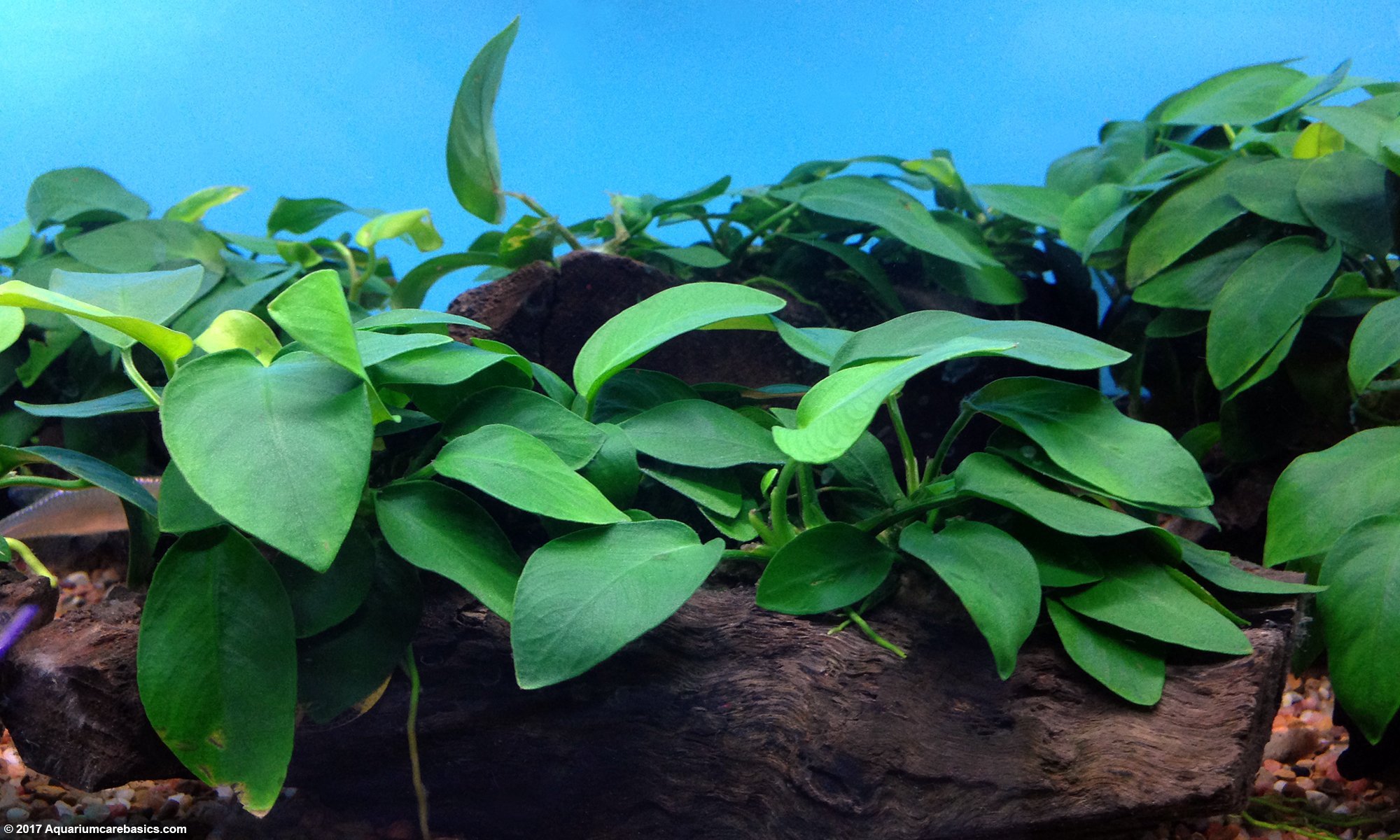
Where to plant: Anubias should be attached to rocks or wood rather than planted into the substrate. Its rhizome (the thick horizontal stem from which the roots and leaves grow) should always be left exposed, as burying it can cause it to rot.
Light requirement: Low light.
Nutrition: Anubias feeds mainly from the water column, so a liquid plant fertiliser such as Interpet Plant Food can help support healthy growth.
Growth rate: Slow growing
Beginner tip: Anubias is a great choice for adding greenery to areas of your aquarium where other plants may struggle, such as shaded spots or around hardscape. Use Flourish Plant Glue to easily attach these plants onto your hardscape.
2. Java Fern
Java Fern is another fantastic beginner-friendly plant. Its distinctive long, textured leaves add a natural look to your aquarium, and its hardy nature makes it a popular choice for both new and experienced fish keepers.
Like Anubias, Java Fern shouldn’t be planted into the substrate and grows nicely when attached to rocks or wood.
Popular varieties include:
-
Microsorum pteropus (standard Java Fern)
-
Java Fern Windelov
-
Trident
-
Microsorum ‘Narrow Leaf’


Where to plant: Attach to rocks or driftwood. Avoid burying the rhizome in the substrate, as this can cause it to rot.
Light requirement: Low light.
Nutrition: Feeds from the water column, so a liquid fertiliser such as NT Labs Plant Boost works well to support growth.
Growth rate: Slow growing.
Beginner tip: Java Fern is a great option if you want to add plants without needing specialist substrate or high-powered lighting. Over time, you may also notice small baby plants developing on the older leaves, which can eventually be separated and grown elsewhere in your aquarium.
3. Cryptocoryne
Cryptocorynes, often known simply as 'Crypts', are a popular group of aquarium plants available in a fantastic range of shapes, sizes and colours. They are ideal for adding texture and variety to your aquascape, with different varieties suitable for foreground, midground and planting towards the background.
Once established, most Cryptocoryne varieties are relatively undemanding and can make a beautiful addition to a beginner's aquarium.
Popular varieties include:
-
Cryptocoryne wendtii
-
Cryptocoryne undulata
-
Cryptocoryne petchii
-
Cryptocoryne flamingo
-
Cryptocoryne ‘Mi Oya’
-
Cryptocoryne Crispatula


Where to plant: Plant directly into the substrate, positioning smaller varieties in the foreground and larger varieties in the midground. Use planting tweezers to gently push the roots deep into the substrate.
Light requirement: Medium light.
Nutrition: Cryptocorynes are heavy root feeders and benefit from a nutrient-rich substrate. They do particularly well in aquarium soil or active substrates that provide a steady supply of nutrients. Root tabs can also be used to supplement nutrition in sand or gravel.
Growth rate: Medium growing. Larger-leaved varieties generally grow faster and reach a bigger overall size than smaller, nano varieties.
Beginner tip: Don't worry if your Cryptocoryne loses some leaves shortly after being introduced to your aquarium. This is commonly known as 'Crypt melt' and can happen when the plant adjusts to new water conditions. Remove any dying leaves and give the plant time to settle and produce new growth.
4. Elodea
If you're looking for a fast-growing, easy-to-maintain plant, Elodea is an excellent choice. With its long stems and bright green foliage, it can quickly fill out your aquarium and provide plenty of natural cover.
It's particularly useful in aquariums containing livebearers, such as guppies, platies and mollies. The dense growth creates excellent hiding places for newborn fry, helping protect them from larger fish and giving them somewhere safe to explore.

 Where to plant: Plant directly into the substrate, ideally towards the back of the aquarium where its stems have room to grow.
Light requirement: Low to medium light.
Nutrition: Elodea can grow in a variety of substrates, including soil, sand and gravel. Root fertiliser tabs, such as Dennerle Nutritabs, can be added to improve nutrient availability.
Growth rate: Fast growing.
Beginner tip: When the stems become too tall, simply trim them back and replant the cut sections into the substrate. This is an easy way to encourage a fuller, denser appearance while creating new plants at the same time.
5. Vallisneria
Vallisneria is a fantastic beginner plant, especially if you're looking to create a natural, planted background in your aquarium. Its long, flowing leaves add movement and height to your aquascape, creating a beautiful underwater grass-like effect.
Available in different varieties and sizes, Vallisneria can be planted in different areas of the aquarium depending on the type you choose.
Popular varieties include:
-
Vallisneria Asiatica
-
Vallisneria Spirallis
-
Vallisneria nana
-
Vallisneria gigantea / gigantea 'Rubra'

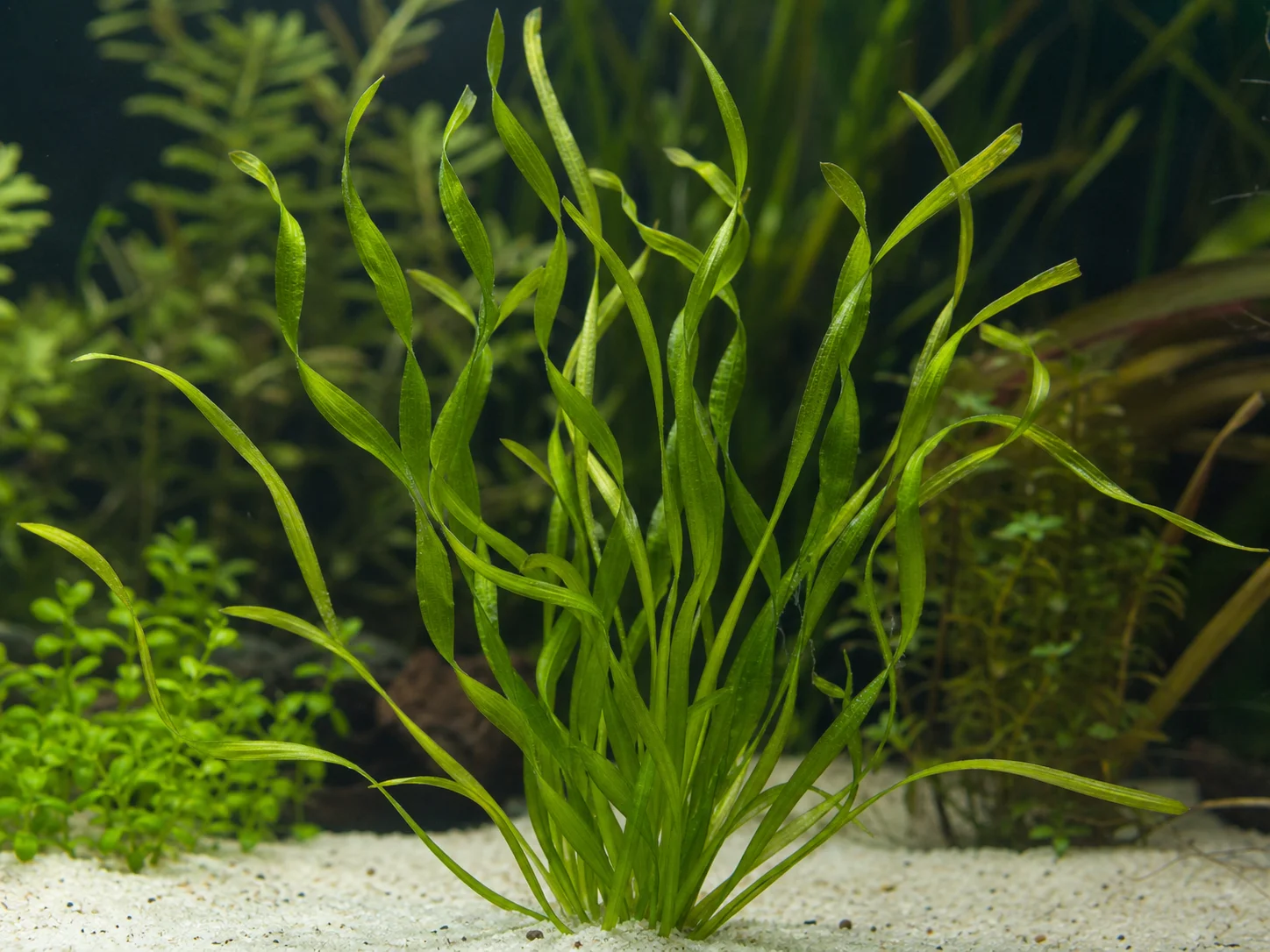

Where to plant: Plant directly into the substrate. Vallisneria works particularly well in the middle to back areas of the aquarium, depending on the variety and its eventual height.
Light requirement: Low to medium light.
Nutrition: Vallisneria is primarily a root feeder. It can grow in soil, sand or gravel, although adding root fertiliser tabs, such as Tropica Nutrition Capsules, can help improve nutrient availability in non-active substrates.
Growth rate: Fast growing.
Beginner tip: Regular trimming can help keep Vallisneria looking tidy and encourage healthy new growth. Once established, it will also produce runners that develop into new plants, allowing it to spread naturally throughout your aquarium.
A Few Tips for Growing Your First Aquarium Plants
Getting started with live plants doesn't need to be complicated. Here are a few simple things to remember:
-
Choose the right lighting: Most beginner-friendly plants don't require expensive or specialist lighting. Low to medium lighting is often more than enough.
-
Lighting duration: How long your lights are on is just as important as their intensity. The plants listed need no more than 6 hours of light daily. If you have other plants, check their individual requirements. Keep lighting times consistent for healthy growth.
-
Use the right fertiliser: Different plants take up nutrients in different ways. Root feeders benefit from root tabs, while plants such as Anubias and Java Fern benefit from liquid fertilisers added to the water column.
-
Don't bury rhizome plants: Anubias and Java Fern should always be attached to rocks or wood, with their rhizomes left exposed.
-
Give plants time to settle: Plants can take a little while to adjust to a new aquarium. Don't be discouraged if they don't show much growth straight away.
-
Trim when needed: Removing old or damaged leaves and trimming fast-growing stems helps keep your aquarium looking neat and encourages healthy growth.
-
Start simple: You don't need to fill your aquarium with lots of different plants straight away. Start with a few hardy varieties and build up as you gain confidence.
Ready to Get Planting?
Adding live plants is a great way to transform your aquarium, create a more natural environment for your fish and enjoy something a little different from your usual fishkeeping routine.
Whether you choose the slow-growing Anubias and Java Fern, the colourful Cryptocorynes, or the fast-growing Elodea and Vallisneria, there are plenty of easy options to get you started.
Pop in and see us in store to explore our selection of live aquarium plants. Our team will be happy to help you choose the right plants for your aquarium and get you started on your planted tank journey!
For more information and advice on aquatics and plant care, check out the rest of our blogs…
Aquarium Plants: Our Complete Guide | Our Favourite Nano Aquariums: Our Top 5 Picks | Why Is My Aquarium Water Brown? Causes & How to Fix It
